a blog by Peter Leonard


 Here are a few quick snapshots I took of Hitchcock Hall, a dormitory on the campus of the University of Chicago designed by Dwight Heald Perkins in 1902.
Unfortunately I was only able to photograph the exterior in the limited time I was there. I have some nice shots of interior details circa 1996, but these were taken with an Apple QuickTake 100 and are very difficult to convert to a modern format, even if you can find and install the software. The one shot I did take inside this time was the arcade:

This is a shame since the lounge on the main floor has one of the most distinctive examples of decorative plasterwork on the University campus: a riot of midwestern flora marching in an orderly string course along the edges of the ceiling the entire length of the room. The abstraction of the vegetation is reminiscant of Alfonso Ianelli's treatment of the Sprite sculptures on the (now demolished) Midway Gardens as well as the St. Thomas church. (I have no idea of Ianelli was actually involved in the ornamentation for Hitchcock Hall.)
Although often described as "Neo-Gothic" or "Collegiate Gothic" by the bored authors of guidebooks who have overdosed on the OxBridge qualities of most of the rest of the campus, Hitchcock Hall is actually far more interesting than what surrounds it, and merits a visit for the reason that it owes very little to the architecture of Europe.
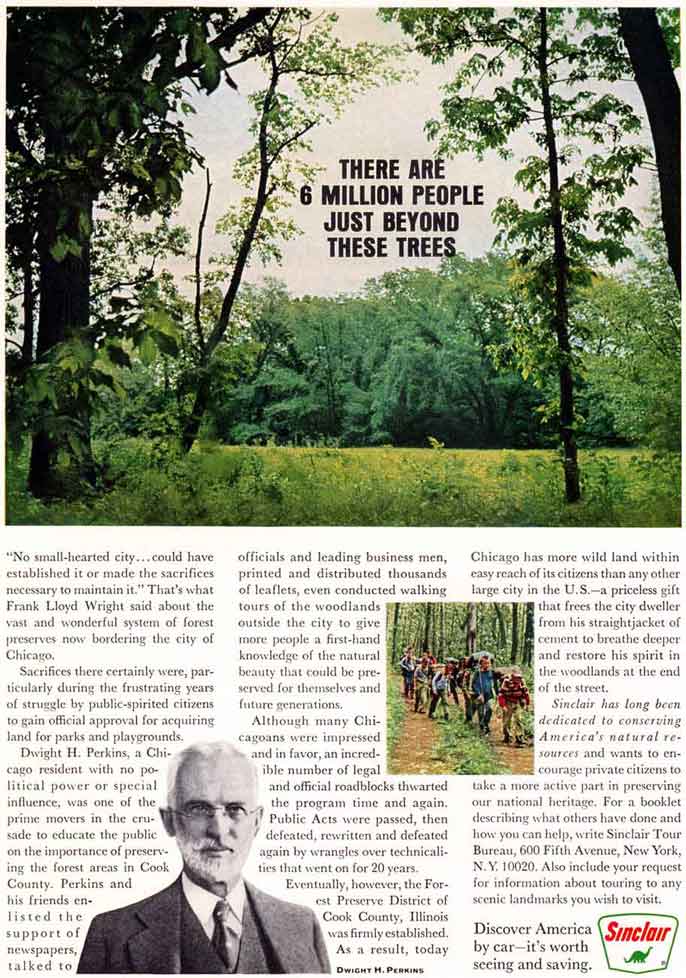
 Perkins was a Prairie School architect, a friend of Wright and a crusader for reform who balanced a concern for the natural with one for the built environment. In addition to spearheading Cook County's system of Forest Preserves, he was the Architect of the Board of Education from 1905-1910. In that role, just as in his work on the University campus, he brought the native iconography of the midwestern prairie into the decorative programs of educational institutions. Whether in local brick or Indiana limestone, Perkins' work took its inspiration from the plants that surrounded him: see the corn that adorns the entrance to Hitchcock, or the Sullivanesque vines that enliven what looks from a distance to be a traditional gothic finial.
Perkins' Chicagoland was a wealthy, industrial metropolis which he did his best to infuse with stylized representations of the nature that was vanishing underfoot, mapping the botany of the region onto both paper map and limestone spire.